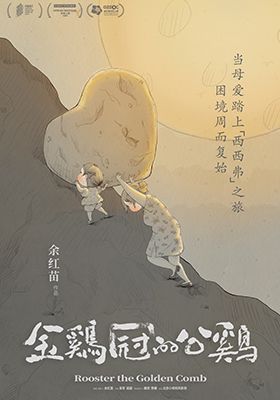
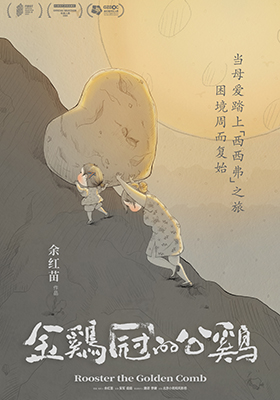
Rooster the Golden Comb
 Add To Playlist
Country/Region:
Mainland China
Release Year: 2023
Release Year: 2023
Casts & Crews:

Runtime:
85
minutes
Language:
Mandarin
Subtitles:
Chinese, English
Festivals & Awards:
2023 FIRST International Film Festival, China
2023 Guangzhou International Documentary Film Festival (GZDOC), China
2023 FIRST International Film Festival, China
2023 Guangzhou International Documentary Film Festival (GZDOC), China
Tags:
#China
#FamilyEducation
#AdolescentMentalHealth
#Women’sPsychologicalGrowth
Director‘s Statement:
It is common in China for mothers to pay excessive attention to their teenage children.
In addition to working outside , women also take full care of children's education and daily life,while men just need to make money.It makes mothers a lot of pressure; On the other hand, in China, the competition for education resources is becoming more and more fierce, Mothers have higher and higher expectations for their children resulting in excessive control behavior. All this leads to children overwhelmed. Some have psychological problems, and some even commit suicide.
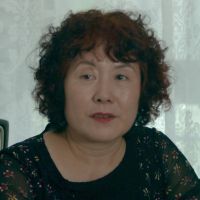
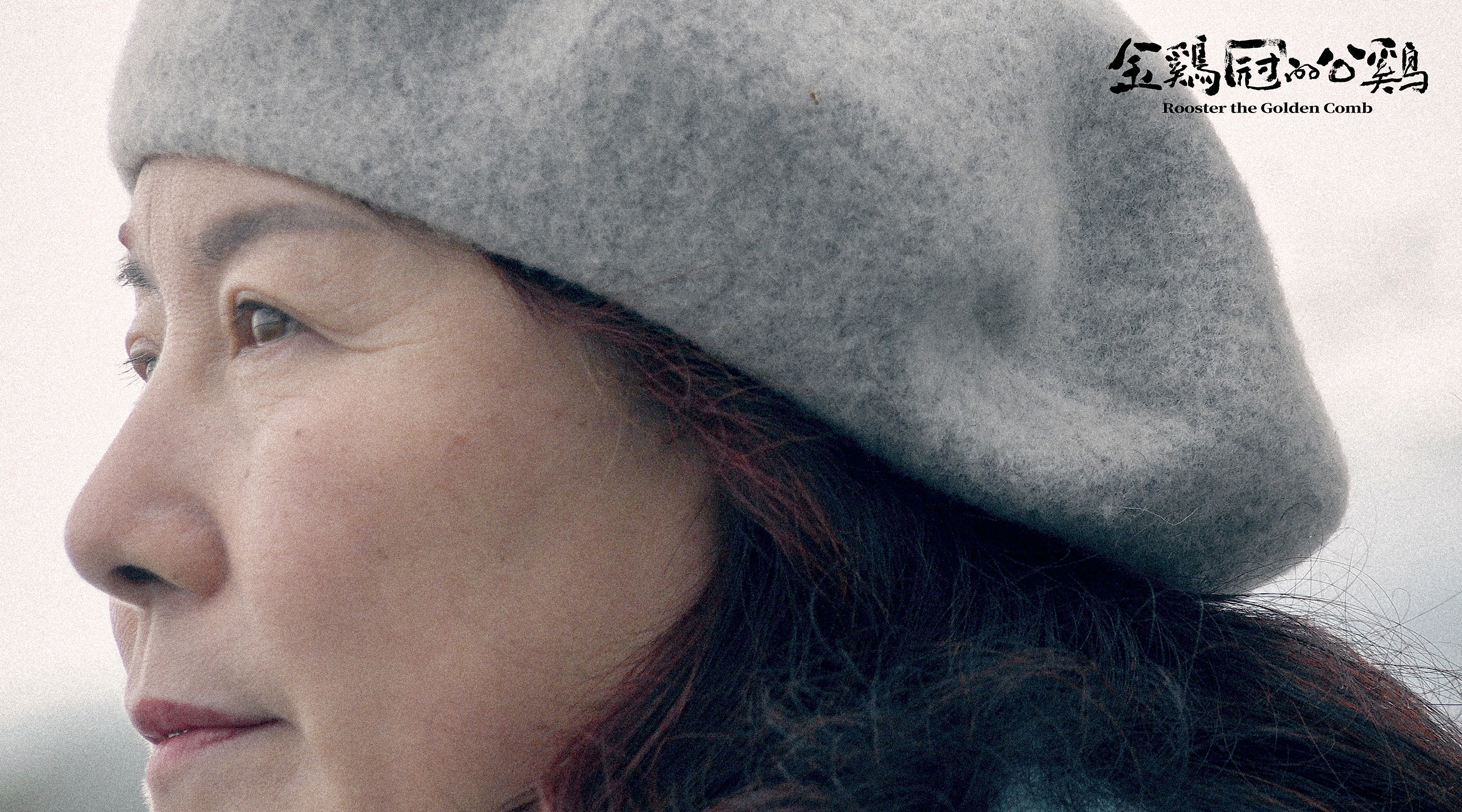
How to be right as a mother? How to treat children as individuals? How to live for ourselves as mothers? Chinese mothers need to reflect on. The protagonist Wu Jun explored the answers.All about the resulting confusion, pain and finally growth turn mirrors of Chinese women.
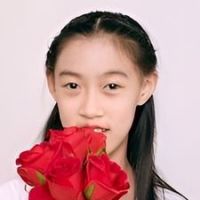
13 years ago,Wujun’s first daughter Quanquan committed suicide. In the context of this suicide,the film uses two clues to explore the problem of parent-child communication disorder. One hand,Wu Jun recalled and reflected on the educational concept during she brought up Quanquan. In order to be enough good to fit with her parents' high expectations, Quanquan bear too much pressure. On the other hand, by observing the current parent-child relationship between Wujun and her younger daughter, as well as her surrounding peers’, the story reveals the various possible causes of parent-child communication disorders including the academic competition ,the pressure caused by mothers' excessive expectations, the emotional confrontation between children and the adult world due to the mutual lack of understanding, and the perfect complex cultivated by "Good children".
The two parenting experiences echo each other and make Wujun reflect on a lot. The answer to the problem of parent-child communication is slowly emerging. Finally, a letter from a college student gave Wujun some answers as if responses from different time and space . From the standpoint of a child, the girl described the child’s mental activities when they tried to fight with the adult world. This makes Wu Jun suddenly see light.
Although there is no definitive answer to "why children take their own lives", this lack of an answer only makes the problem more prominent. At a time when parent-child issues are becoming increasingly intense, the wake-up call brought by the problem seems more important than the answer itself.
In addition to working outside , women also take full care of children's education and daily life,while men just need to make money.It makes mothers a lot of pressure; On the other hand, in China, the competition for education resources is becoming more and more fierce, Mothers have higher and higher expectations for their children resulting in excessive control behavior. All this leads to children overwhelmed. Some have psychological problems, and some even commit suicide.
How to be right as a mother? How to treat children as individuals? How to live for ourselves as mothers? Chinese mothers need to reflect on. The protagonist Wu Jun explored the answers.All about the resulting confusion, pain and finally growth turn mirrors of Chinese women.
13 years ago,Wujun’s first daughter Quanquan committed suicide. In the context of this suicide,the film uses two clues to explore the problem of parent-child communication disorder. One hand,Wu Jun recalled and reflected on the educational concept during she brought up Quanquan. In order to be enough good to fit with her parents' high expectations, Quanquan bear too much pressure. On the other hand, by observing the current parent-child relationship between Wujun and her younger daughter, as well as her surrounding peers’, the story reveals the various possible causes of parent-child communication disorders including the academic competition ,the pressure caused by mothers' excessive expectations, the emotional confrontation between children and the adult world due to the mutual lack of understanding, and the perfect complex cultivated by "Good children".
The two parenting experiences echo each other and make Wujun reflect on a lot. The answer to the problem of parent-child communication is slowly emerging. Finally, a letter from a college student gave Wujun some answers as if responses from different time and space . From the standpoint of a child, the girl described the child’s mental activities when they tried to fight with the adult world. This makes Wu Jun suddenly see light.
Although there is no definitive answer to "why children take their own lives", this lack of an answer only makes the problem more prominent. At a time when parent-child issues are becoming increasingly intense, the wake-up call brought by the problem seems more important than the answer itself.
Reviews
You need to login to add your review. Click here to login.