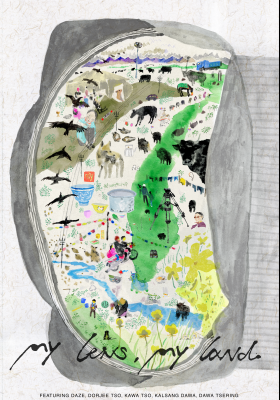
My Lens, My Land
 Add To Playlist
Country/Region:
United States
Release Year: 2024
Release Year: 2024
Casts & Crews:

Runtime:
23
minutes
Language:
Tibetan Amdo dialect
Subtitles:
Chinese, English
Festivals & Awards:
2025 Nordic Anthropological Film Association (NAFA) International Ethnographic Film Festival, North Macedonia
2025 Incontri con il Cinema Buddhista (Encounters with Buddhist Cinema), Italy
2025 Royal Anthropological Institute Film Festival, United Kingdom
2025 Asian Movie Night Spring, Netherlands
2025 Colorado Environmental Film Festival, United States
2025 Prague Film Awards 2025, Czech Republic
2024 China Documentary Academy Awards 2024, China
2024 Beijing International Short Film Festival, China
2024 Anchorage International Film Festival - Special Jury Award (Outstanding International Short Documentary), United States
2024 Toronto International Women Film Festival - Best Short Documentary, Canada
2025 Nordic Anthropological Film Association (NAFA) International Ethnographic Film Festival, North Macedonia
2025 Incontri con il Cinema Buddhista (Encounters with Buddhist Cinema), Italy
2025 Royal Anthropological Institute Film Festival, United Kingdom
2025 Asian Movie Night Spring, Netherlands
2025 Colorado Environmental Film Festival, United States
2025 Prague Film Awards 2025, Czech Republic
2024 China Documentary Academy Awards 2024, China
2024 Beijing International Short Film Festival, China
2024 Anchorage International Film Festival - Special Jury Award (Outstanding International Short Documentary), United States
2024 Toronto International Women Film Festival - Best Short Documentary, Canada
Tags:
#Tibetan Nomadic Life #Land Use & Conservation #Self-representation Through Media #Indigenous Knowledge #Community Resilience #PersonalTransformation #Amdo Tibet #Intergenerational Dialogue #Wildlife #Memory & Belonging #Cultural heritage #Grassland ecology

Director‘s Statement:
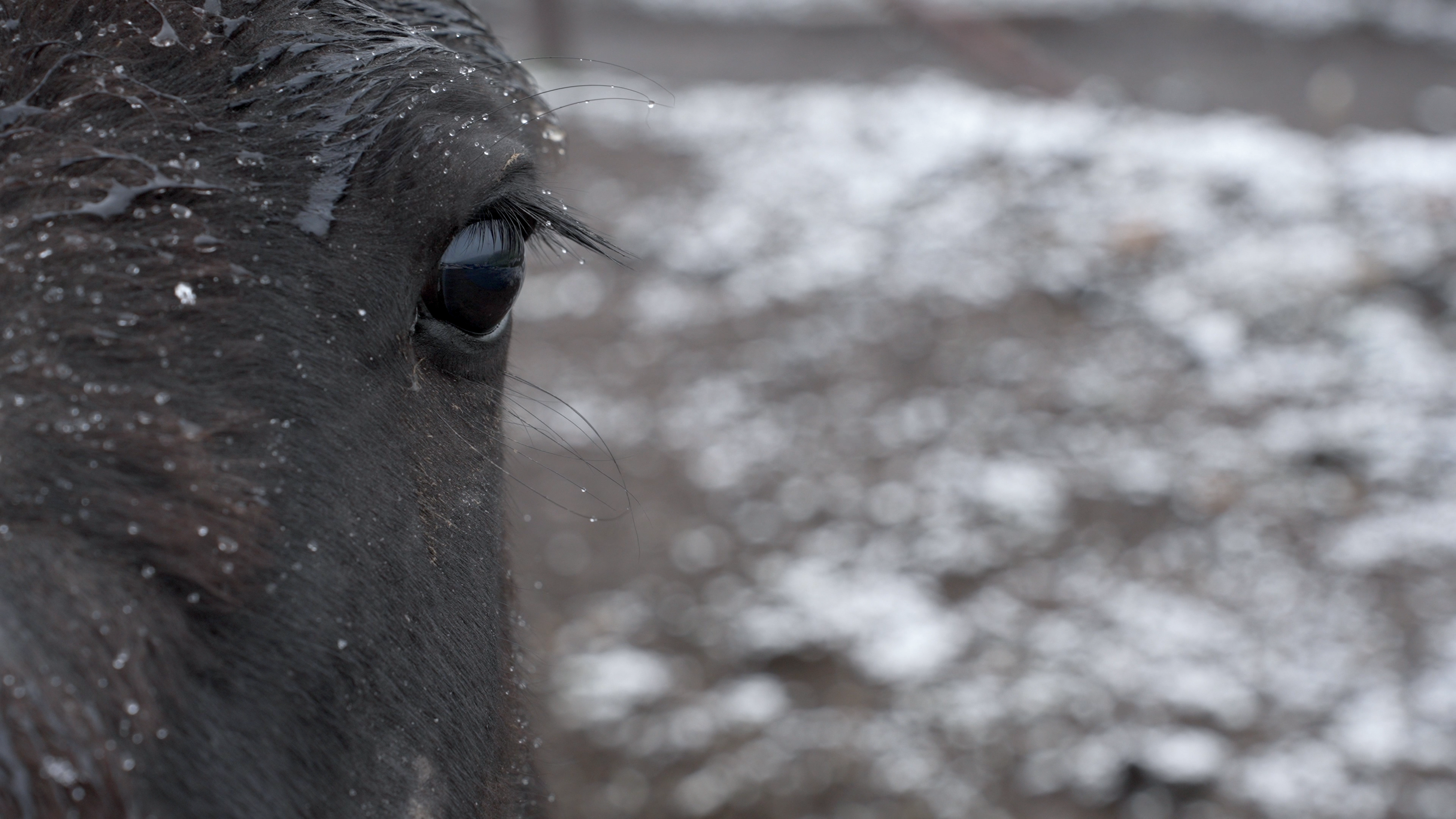
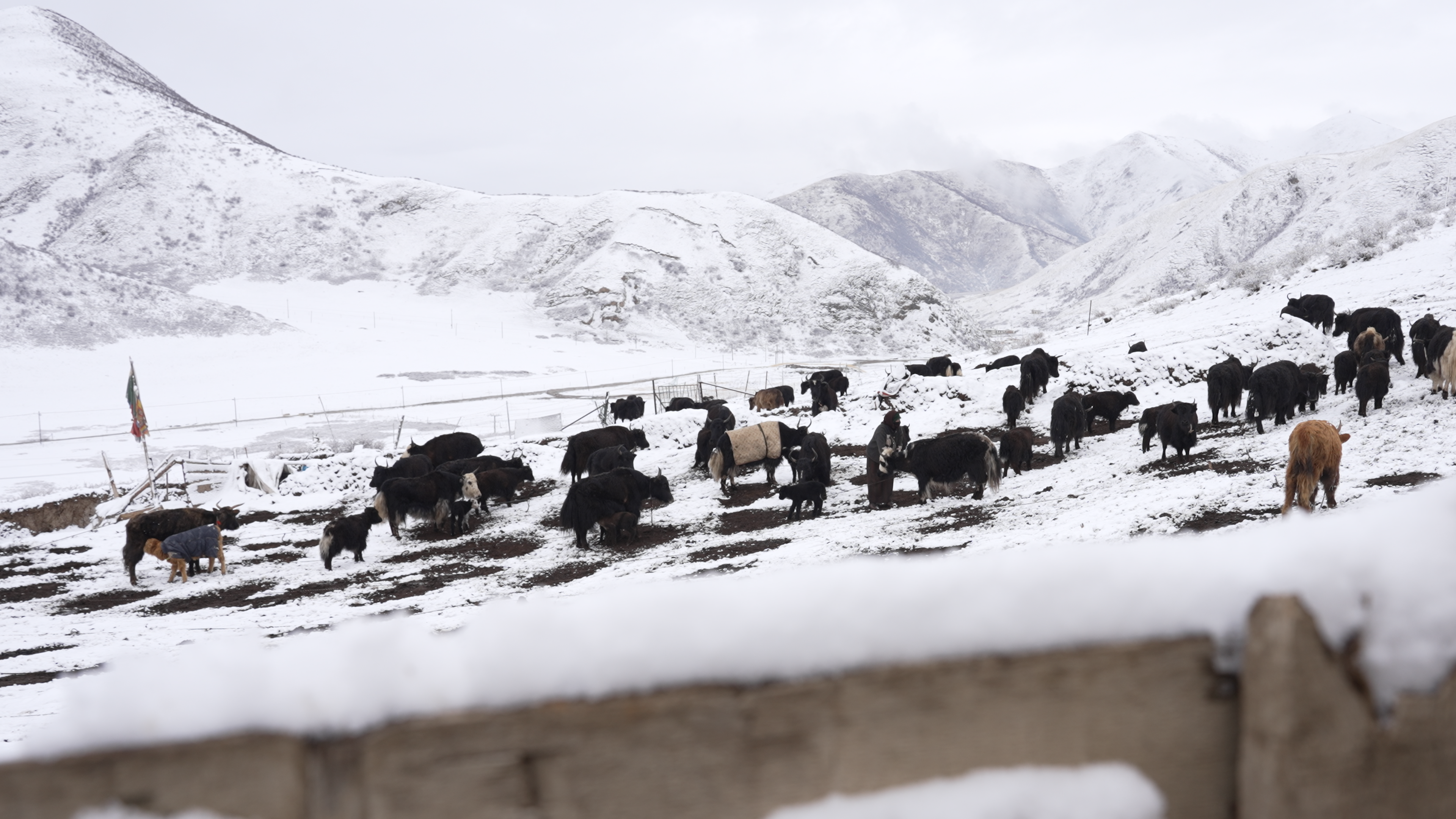
At 4,300 meters on the grasslands of Amdo, Tibet, Daze and his family move with the seasons, their lives shaped by the rhythms of nature and Buddhist belief. This was the world I encountered when I first arrived on the grassland. Seemingly constant, but already shifting.
Grassland degradation is accelerating. The proliferation of pikas, compounded by decades of government intervention, has left the land's ecological balance increasingly fragile. Daze began pointing his camera at the ground beneath his feet. What started as documentation gradually changed him. He began to see ecological imbalance differently, and to reconsider his own place within it. In his conversations with his daughter, you can hear this shift: a herder trying to find some way forward for the next generation amid uncertainty.
His camera eventually became more than his own. Filming turned into a form of gathering, and the community began to organize collective action around ecological decline. This process moved me, and it is what compelled me to pick up my own camera. Not to explain from the outside, but because I saw in Daze something I believe in: that a camera is not merely a tool for looking. It can transform the person holding it, and in turn, those around them.
My Lens, My Land does not offer resolution. It observes a community negotiating between land, livelihood, and the generations to come. Things that are unfolding, without conclusion
Grassland degradation is accelerating. The proliferation of pikas, compounded by decades of government intervention, has left the land's ecological balance increasingly fragile. Daze began pointing his camera at the ground beneath his feet. What started as documentation gradually changed him. He began to see ecological imbalance differently, and to reconsider his own place within it. In his conversations with his daughter, you can hear this shift: a herder trying to find some way forward for the next generation amid uncertainty.
His camera eventually became more than his own. Filming turned into a form of gathering, and the community began to organize collective action around ecological decline. This process moved me, and it is what compelled me to pick up my own camera. Not to explain from the outside, but because I saw in Daze something I believe in: that a camera is not merely a tool for looking. It can transform the person holding it, and in turn, those around them.
My Lens, My Land does not offer resolution. It observes a community negotiating between land, livelihood, and the generations to come. Things that are unfolding, without conclusion
Reviews
You need to login to add your review. Click here to login.